
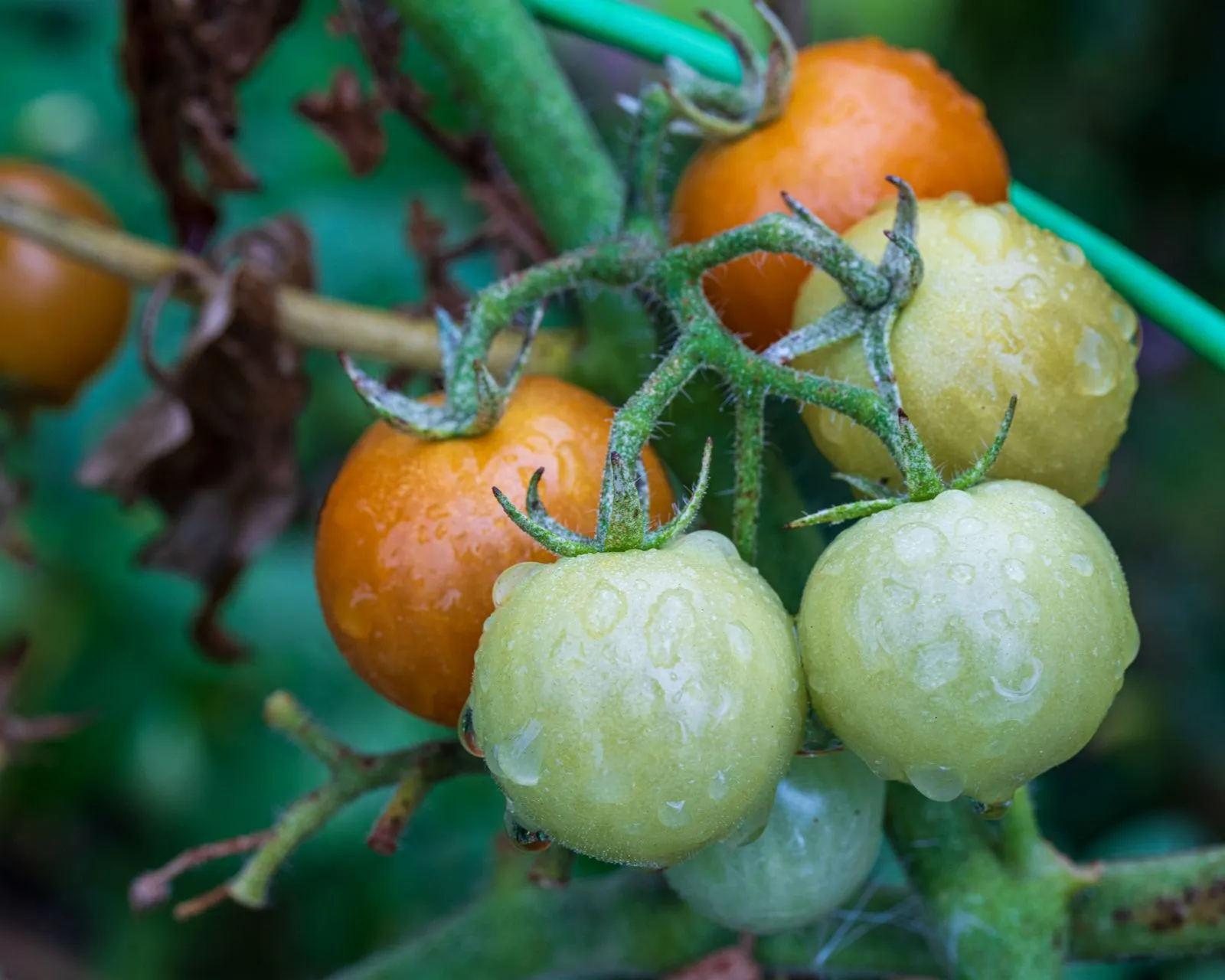
Providence yards can produce a surprising range of food, even when space is limited. The best choices depend on how much direct sun your garden gets, whether you can water consistently, and how much room plants have to spread. Cool-season greens and roots can handle spring and fall weather, while tomatoes, peppers, and other warm-season crops need summer warmth. Start with the conditions you have, then choose plants that fit your routine as well as your yard.
Match Plants to Sunlight
Track direct sunlight before you choose crops. Most fruiting vegetables, including tomatoes, peppers, cucumbers, and squash, grow best in a spot with at least six hours of direct sun. A south- or west-facing bed often works well, but nearby buildings and mature trees can cast shade that changes throughout the day.
Partly shaded yards can still grow plenty to eat. Lettuce, spinach, arugula, kale, parsley, and chives are useful choices where sunlight is limited. In a shady spot, favor leafy crops over plants grown for fruit, and expect slower growth. A few hours of gentle morning sun can be more productive than deep shade all day.
Plant for Providence Seasons
Cool-season crops suit the milder stretches at the start and end of the growing season. Try peas, radishes, carrots, beets, lettuce, spinach, and kale in spring or fall. Sow or transplant them when the soil is workable, and check local forecasts before planting tender seedlings outdoors. A simple row cover can help protect young plants from chilly nights.
Wait for reliably warm weather before setting out heat-loving crops such as tomatoes, basil, beans, and peppers. These plants need warm soil and protection from frost. For a longer harvest, plant a second round of quick-growing greens or radishes later in the season. Keep notes on planting dates and results so you can adjust next year.
Make Small Yards Work
Containers, raised beds, and vertical supports make edible gardening practical on patios and in narrow side yards. Grow salad greens, herbs, radishes, or compact peppers in pots with drainage holes. Use a larger container for tomatoes, and add a sturdy cage or stake at planting time. Containers dry out faster than garden beds, so check their soil regularly during warm, breezy weather.
Use vertical space for peas, pole beans, and cucumbers, guiding them onto a strong trellis rather than letting vines sprawl across a small bed. In a larger yard, combine vegetables with perennial herbs and berry shrubs along an edge. Leave paths wide enough to harvest and weed comfortably, and avoid crowding plants, which can limit airflow and make care harder.
Choose Reliable Edible Staples
Herbs are a practical starting point because a small planting can add flavor to many meals. Chives, thyme, oregano, sage, and mint are common options; grow mint in its own container because it spreads readily. Basil prefers warm weather and sun, so plant it outdoors only after cold nights have passed.
For a longer-term planting, consider strawberries, raspberries, or a compact fruit tree if the site has enough sun and suitable soil. Check the plant’s mature size, pollination needs, and pruning requirements before buying. Providence Edible Gardens can help assess a site, but a simple first step is to map the light and list the crops your household will actually use.
A productive Providence yard does not need to be large or sunny from morning to night. Pair cool-season crops with summer vegetables, use containers and trellises where space is tight, and select plants according to your site’s light. Start with a few dependable choices, then expand as you learn what thrives. If you want help planning a layout, consider asking a local edible landscape designer.